Journal · 1 min read
Inside CasaMonami: How We Source Our Teapots (with the Foundry Owner)
We flew to Iwate to ask Mr Sato — our foundry partner for nine years — what actually makes a good tetsubin.

Mr Sato runs a 14-person foundry in Iwate prefecture, about three hours north of Tokyo by bullet train. His grandfather started the foundry in 1931. We have been buying cast iron teapots from him since 2017. This is the conversation we had on his workshop floor last spring.
CasaMonami: How has tetsubin-making changed since your grandfather's day?
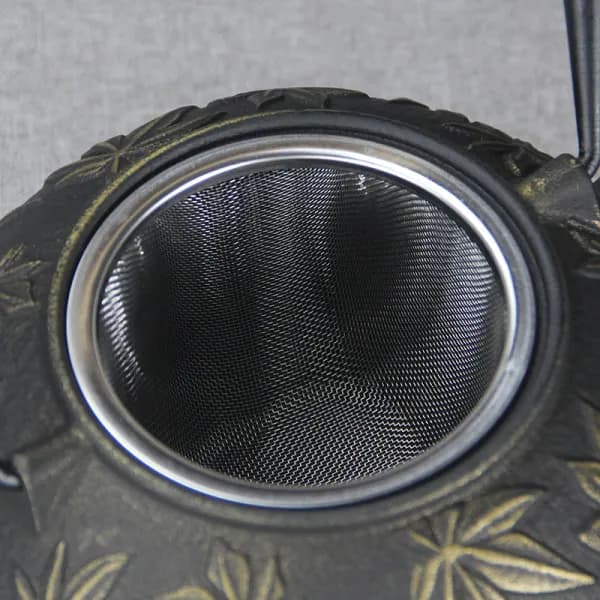
Mr Sato: The moulds are the same. The iron is the same. The hand-finishing is the same. What changed is the enamel . In the old days we did not enamel the inside — people just seasoned the pot like cast iron cookware. After the war, Japanese consumers wanted the convenience of "rinse and use." So the modern tetsubin is enamel-lined. The trade-off is that the rim, where the iron is exposed, can rust if you are careless.
CasaMonami: What is the most common mistake customers make?
Mr Sato: Two things. First, they use soap. Soap strips the patina on the outside. The inside is fine — enamel does not need soap — but the outside should only ever meet water and a soft cloth. Second, they leave tea sitting in the pot overnight. That is the surest way to encourage rust at the rim. Empty, rinse, dry. Every time.
CasaMonami: Which of your pots do you use at home?
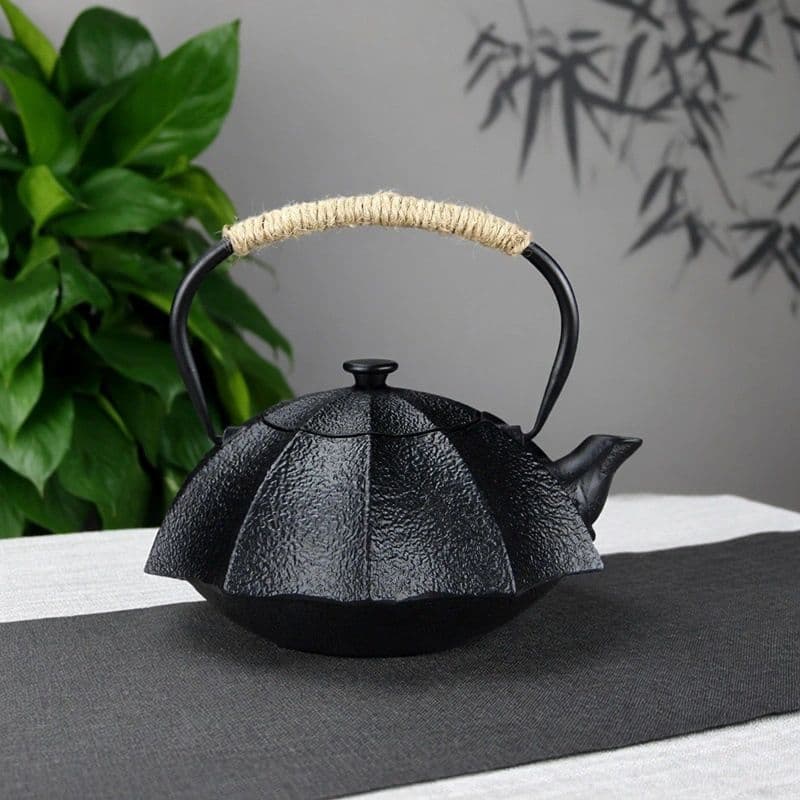
Mr Sato: [Laughs] The 600ml Japanese Classic. The same pot we sell you. Every morning, sencha. My wife prefers the 900ml Gold Bamboo for guests.
We left with two suitcases of pots, a bag of cast iron trivet samples, and a renewed commitment to the small things: the right iron, the right mould, the right hand.
Browse the cast iron teapot collection .
Shop the products mentioned
Tom Bridges
CasaMonami co-founder