Journal · 2 min read
What Is a Tetsubin? The 400-Year-Old Teapot That Actually Heats Water
Before there was electric kettles, there was the tetsubin — a Japanese cast iron kettle that could brew tea and warm a small room at the same time.

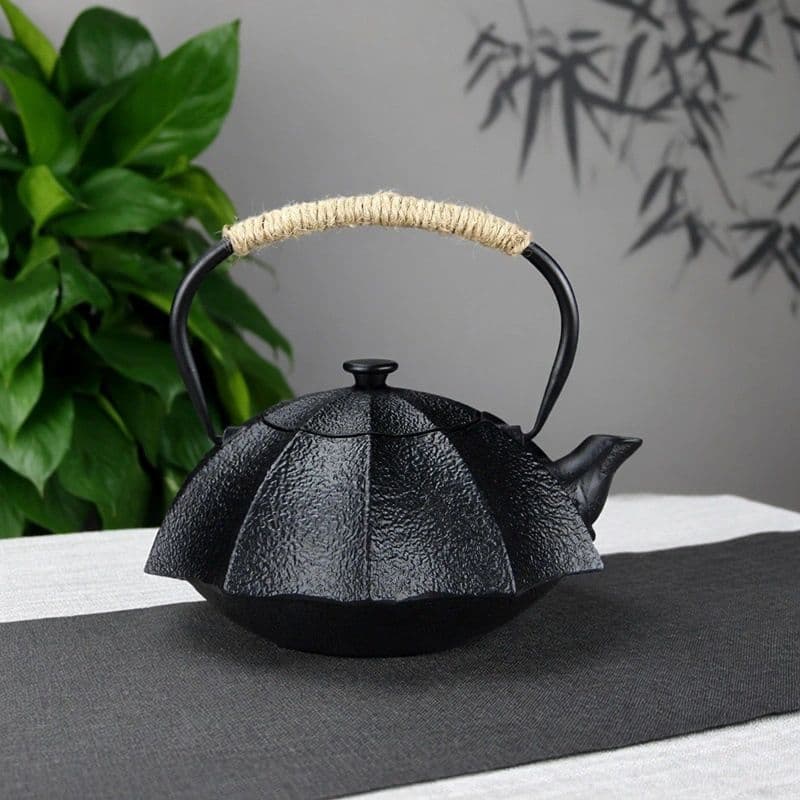
If you have ever held a cast iron teapot and felt the slow, even warmth in your palm, you already know what the Japanese have known for four hundred years: there is something about iron that changes tea.
A brief history of the tetsubin
The word tetsubin (鉄瓶) literally means "iron bottle." It first appeared in Japan in the late 16th century, when tea masters began to notice that tea brewed in iron vessels had a softer, rounder taste — and that the iron itself released trace amounts of ferrous ions into the water.
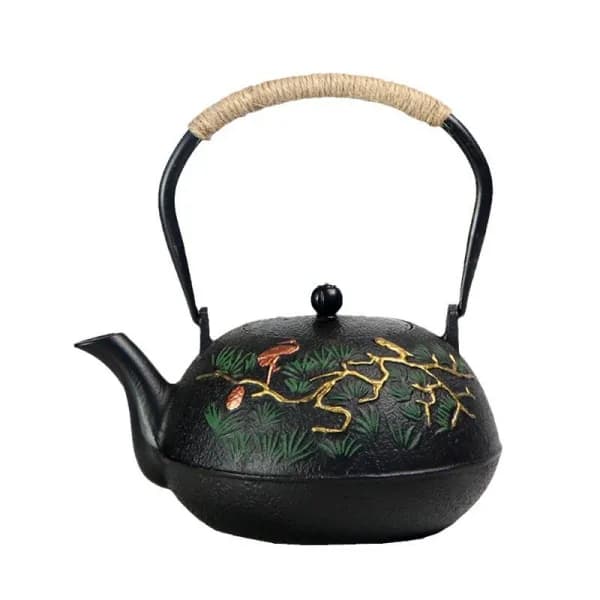
For the next three centuries, the tetsubin was the default kettle in any Japanese household that took tea seriously. Master casters in Iwate, Yamagata, and Nambu regions developed elaborate decorative motifs — pine and crane (longevity), plum blossom (resilience), koi (perseverance), bamboo (integrity).
Why cast iron?
Three reasons, each of them still true today:
Thermal mass. Cast iron holds heat. A 1.2L tetsubin stays above 80°C for 15 minutes after boiling, which is essential for proper sencha or gyokuro brewing.
Flavour. Trace iron softens the water and rounds out the astringency of green tea. This is not folklore — modern Japanese water-research confirms it.
Durability. A well-cared-for tetsubin outlives its owner. We have seen pots from the 1920s still in daily use.
What the inside looks like
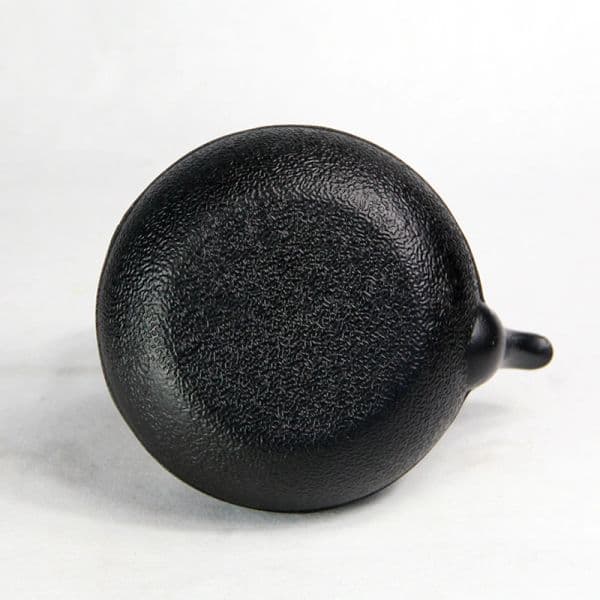
A modern tetsubin is enamel-lined on the inside — a thin glass-fused coating that prevents rust and means the pot needs no seasoning before first use. The outside keeps its raw iron or painted enamel finish.
This is a quiet, important distinction: a tetsubin is for brewing tea , not for boiling water directly on a stove (the enamel can crack). For stove-top kettles without enamel, you would want a chagama (茶釜) instead.
How to choose your first tetsubin
Capacity. 600ml for two cups; 900ml for three to four; 1200ml for sharing or a slow afternoon.
Motif. Choose one that means something to you — it will be in your kitchen for decades.
Weight. A 1200ml tetsubin weighs 2.5–3 kg empty. That is the point.
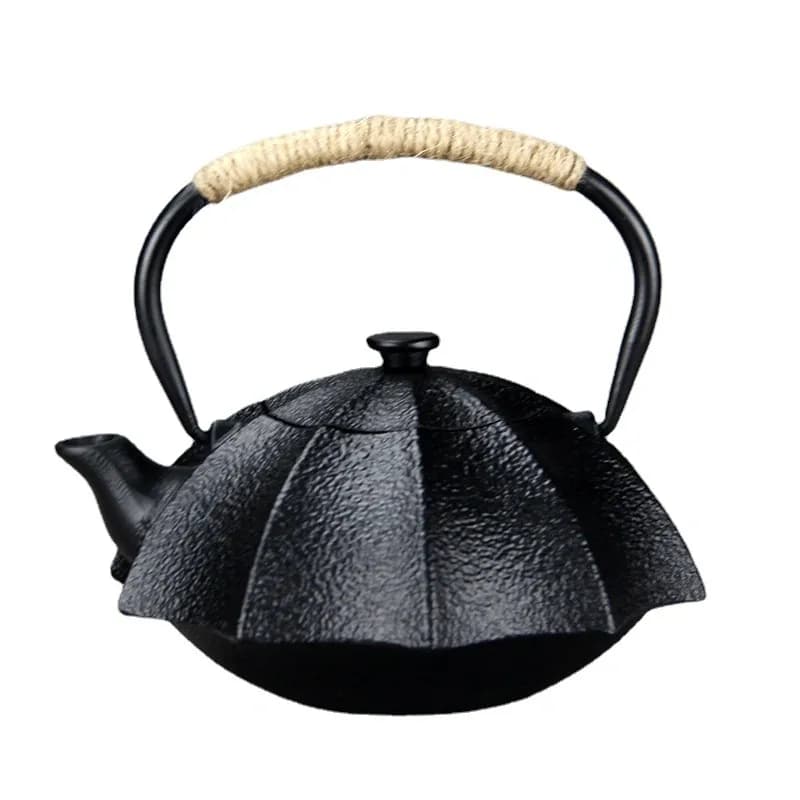
We carry a small, curated line — see the cast iron teapot collection .
Shop the products mentioned
Aiko Tanaka
Tea master, formerly of Ippodo Tea Kyoto