Journal · 2 min read
A Brief History of the Japanese Tea Ceremony
From the Song Dynasty to your kitchen table — how a 12th-century Chinese monk changed the way the world drinks tea.

The Japanese tea ceremony — chanoyu (茶の湯), "the way of tea" — is older than most European languages. It began in the 12th century, when a Buddhist monk named Eisai brought tea seeds back from China and planted them in Kyoto. By the 16th century, the ritual was codified by Sen no Rikyū into something recognisable today: a small, quiet room, a single flower, a bowl of whisked tea shared between host and guest.
The four principles (wa-kei-sei-jaku)
Wa (和) — harmony
Kei (敬) — respect
Sei (清) — purity
Jaku (寂) — tranquility
These four principles guide everything — the angle of the bamboo whisk, the way the bowl is turned before drinking, the placement of the tea caddy.
What it actually looks like
A typical chakai (informal tea gathering) takes 30–45 minutes:
Guests are led through a small garden (the roji , "dewy path") to a tea room.
They wash their hands at a stone basin.
Inside, the host kneels before a hearth or brazier and prepares matcha.
The bowl is passed to each guest in turn; the guest turns the bowl twice before drinking.
Conversation is light, then the bowl is returned.
How to bring it home
You don't need a tea room to bring the spirit of chanoyu into your daily life. Three small things help:
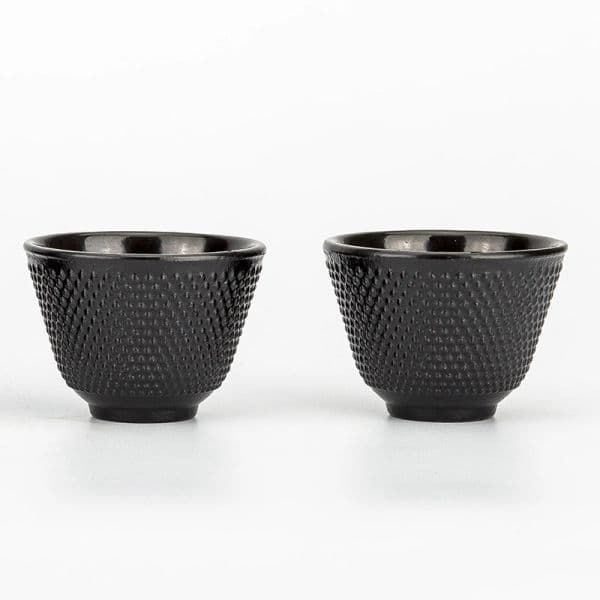
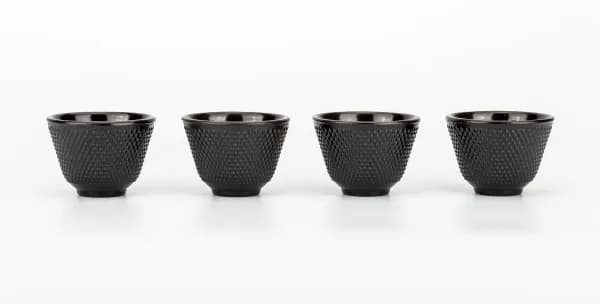
A single cup — not a mug, not a thermos. A small cup you have to hold carefully.
A few minutes — even five minutes of quiet attention to brewing tea is chanoyu.
A guest — once a week, share a cup with someone.
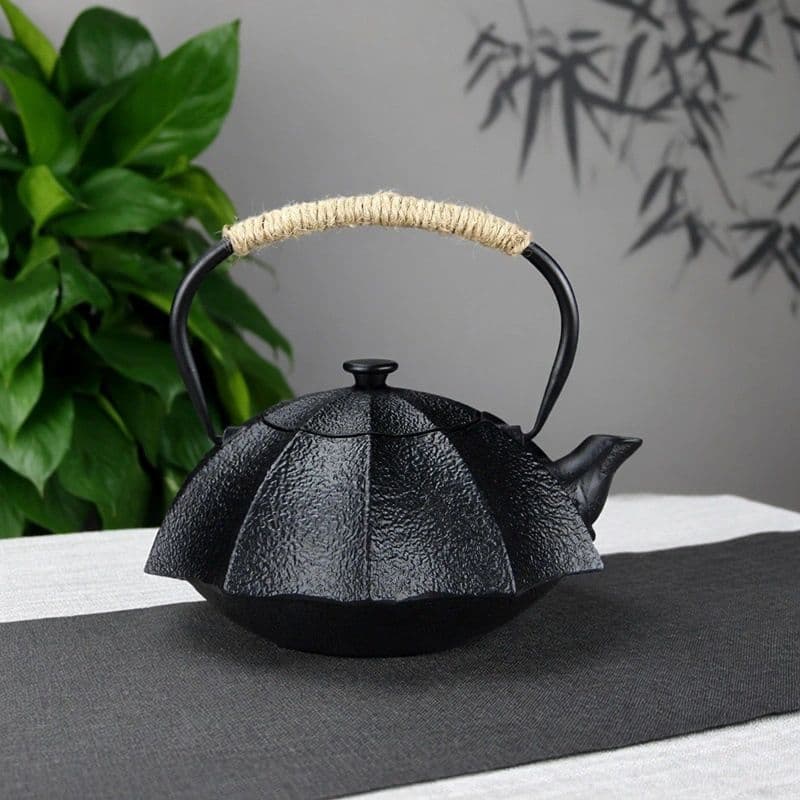
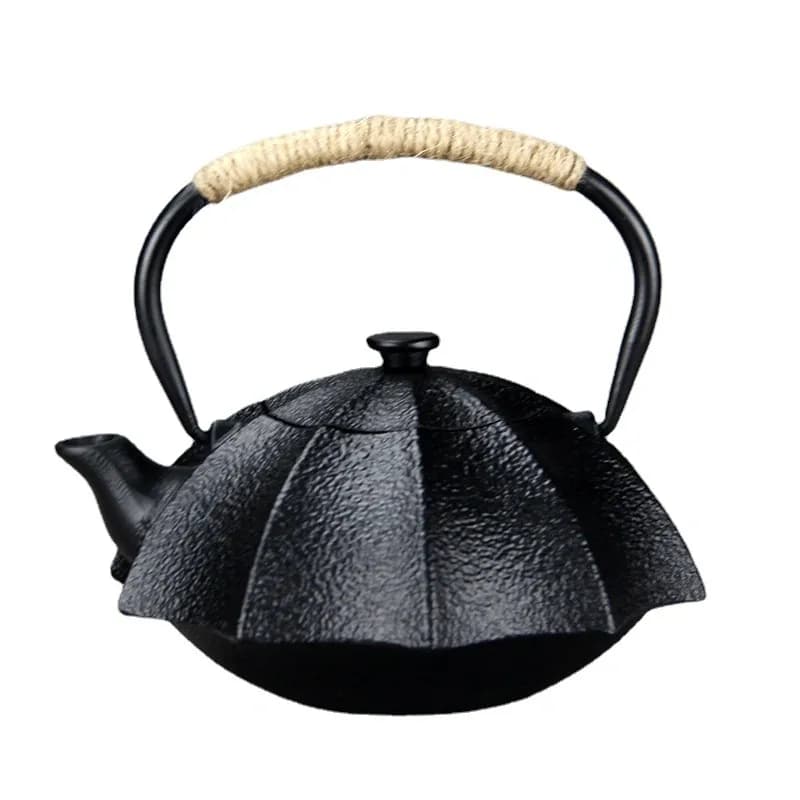
The cast iron teapot you use every morning is a direct descendant of the vessels used in those first Kyoto tea rooms.
Browse our cast iron teapot collection — and read what is a tetsubin .
Shop the products mentioned
Aiko Tanaka
Tea master