Journal · 1 min read
Why Bamboo Belongs in Your Kitchen: Sustainability Without the Lecturing
Bamboo grows a metre a day. It is harder than maple. It makes beautiful kitchen tools. Here is why we built half our line around it.

We get asked a lot why we use so much bamboo. The honest answer is that we tried it, it worked, and we never went back.
The numbers
Bamboo grows up to 91 cm per day — some species over a metre.
It reaches full harvest strength in 3–5 years (vs 20–80 for hardwood).
It regenerates from the root after cutting — no replanting.
It produces 35% more oxygen than an equivalent stand of hardwood.
The kitchen case
Beyond the sustainability pitch, bamboo is a genuinely excellent kitchen material:
Harder than maple. Janka hardness ~1,400 lbf (vs maple ~1,450 — comparable).
Naturally antibacterial. Bamboo contains "bamboo kun" — an anti-microbial agent that resists bacteria growth.
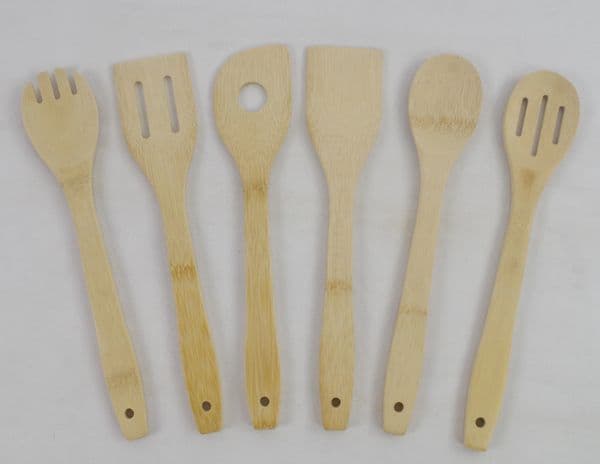
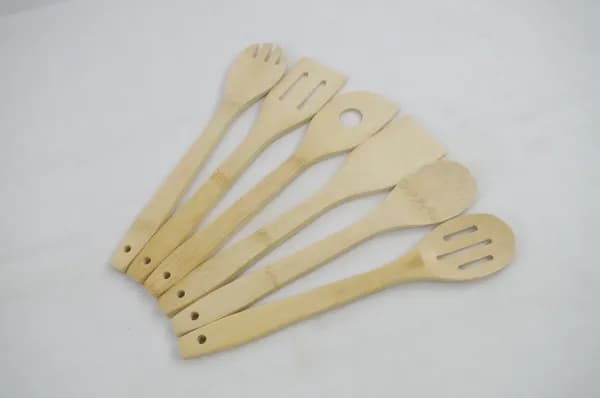
Light. A bamboo spatula weighs 60g; a wooden one weighs 90g. Over a long dinner-party cook, your wrist will thank you.
Quiet. Wood-on-cast-iron sounds like a kitchen. Bamboo-on-cast-iron sounds like a kitchen with manners.
The honest caveat
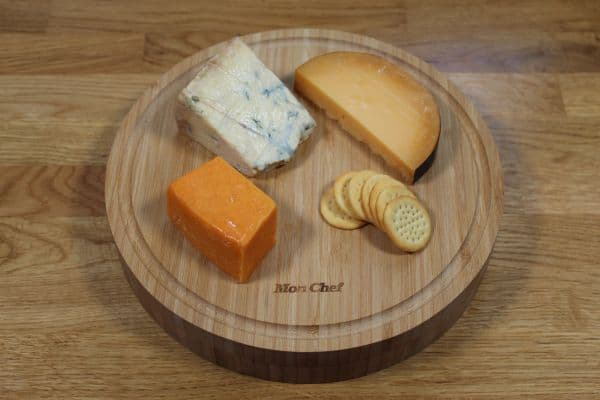
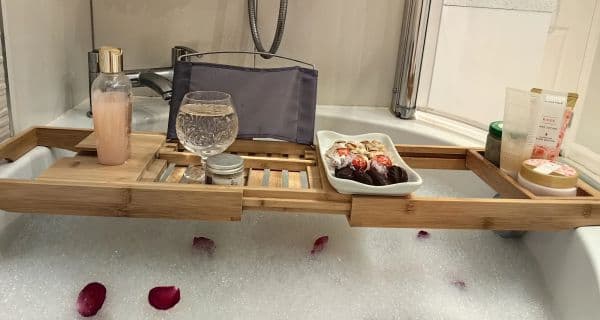
Bamboo is not a substitute for hardwood in every application. Cutting boards for heavy chopping? Stick with maple or walnut. Spatulas, tongs, brushes, drawer organisers, bath caddies? Bamboo is genuinely the better choice.
Our bamboo sourcing
Our bamboo comes from FSC-certified plantations in Fujian, China — the same province that has been making bamboo kitchen tools for over a thousand years. We visit each harvest. We pay above the Fair Trade wage. We don't lecture.
Browse the bamboo homeware collection .
Shop the products mentioned

Tom Bridges
CasaMonami co-founder